
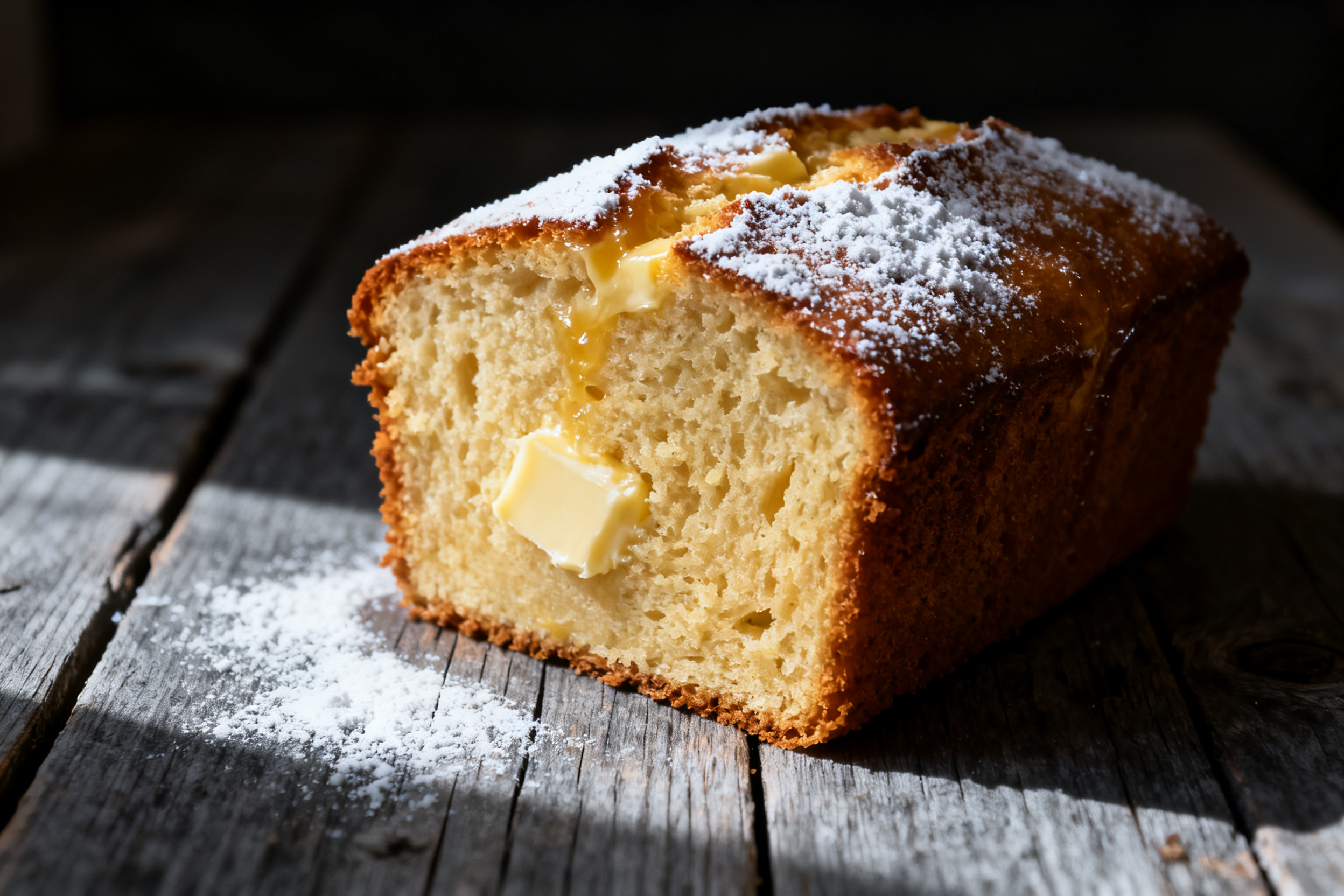

Let’s be honest, we all want that perfect slice of pound cake. You know the one I mean—dense, moist, and so buttery it practically melts on your tongue. I’ve chased that dream through many a dry, crumbly loaf, and I’m here to save you the trouble.
This is the real deal. No fussy techniques, no weird ingredients. Just a straightforward, foolproof method for a classic dessert that feels special every single time.
1. Allergens
This recipe contains gluten (from all-purpose flour) and dairy (from butter and milk). It also contains eggs.
For a dairy-free version, you can substitute a high-quality vegan butter stick and use oat milk or almond milk. Just know the texture will be slightly less tender.
If you need it to be gluten-free, use a 1:1 gluten-free baking flour blend that contains xanthan gum. Do not swap in coconut flour or almond flour here.
2. Ingredient notes & substitutions

The star of the show is unsalted butter. I use it at room temperature, not melted, because creaming it with sugar creates that signature dense crumb.
You can swap in cake flour for a lighter texture, but I prefer all-purpose for that classic, sturdy pound cake body. For the milk, whole milk works best, but 2% will do in a pinch.
3. Pro tips
Room temperature ingredients are non-negotiable. Cold butter or eggs will make your batter curdle, and nobody wants a lumpy cake.
Cream the butter and sugar for a full 3-4 minutes until it’s light and fluffy. This is where you build the structure, so don’t rush it.
When you add the eggs, beat them in one at a time. This keeps the emulsion stable and prevents the batter from separating.
4. Storage & make-ahead

Wrap your cooled cake tightly in plastic wrap and store it at room temperature for up to 4 days. It actually gets better on day two as the flavors meld.
You can freeze the whole loaf or individual slices for up to 3 months. Just wrap it in plastic, then foil, and thaw it on the counter for an hour before serving.
5. Serving suggestions
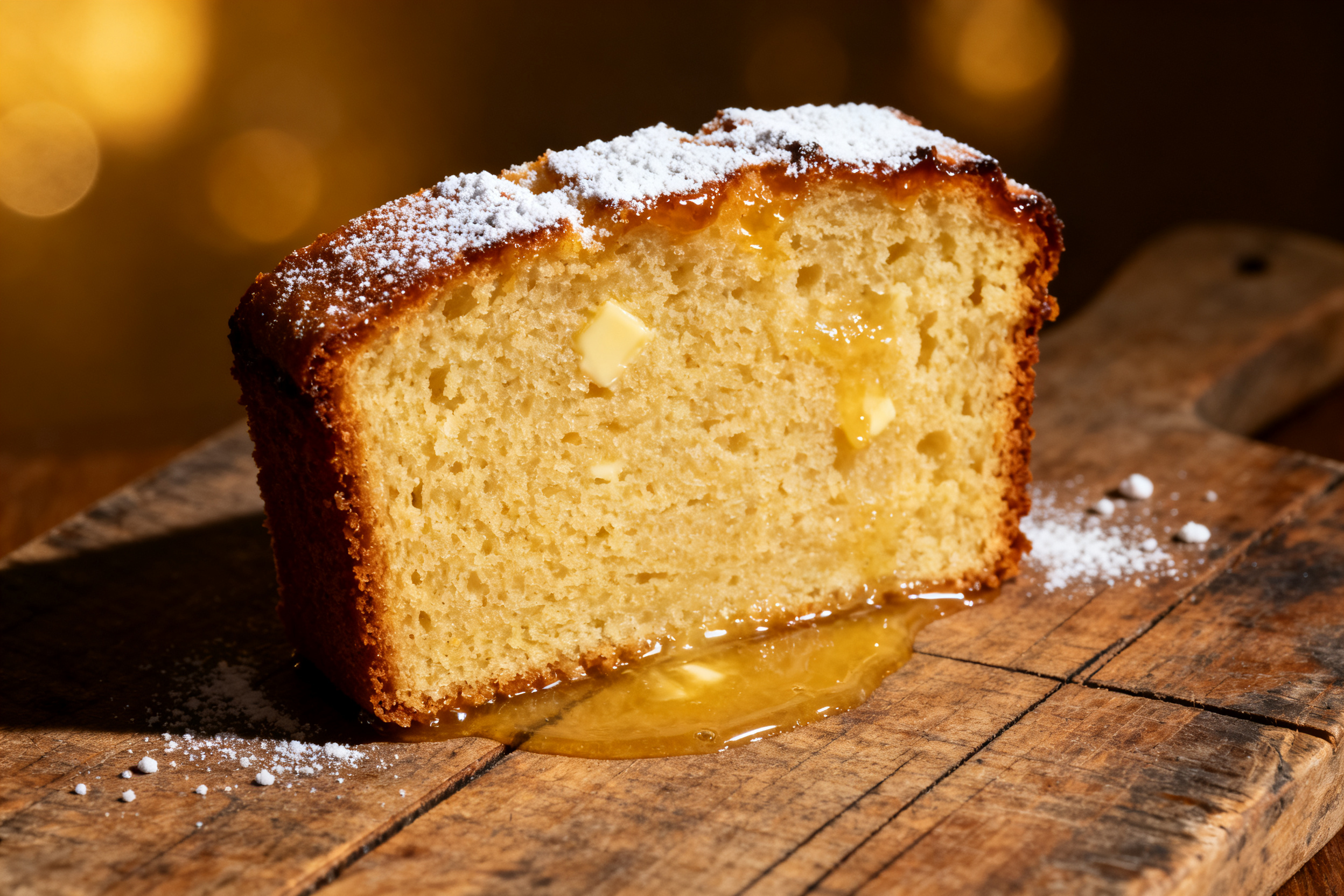
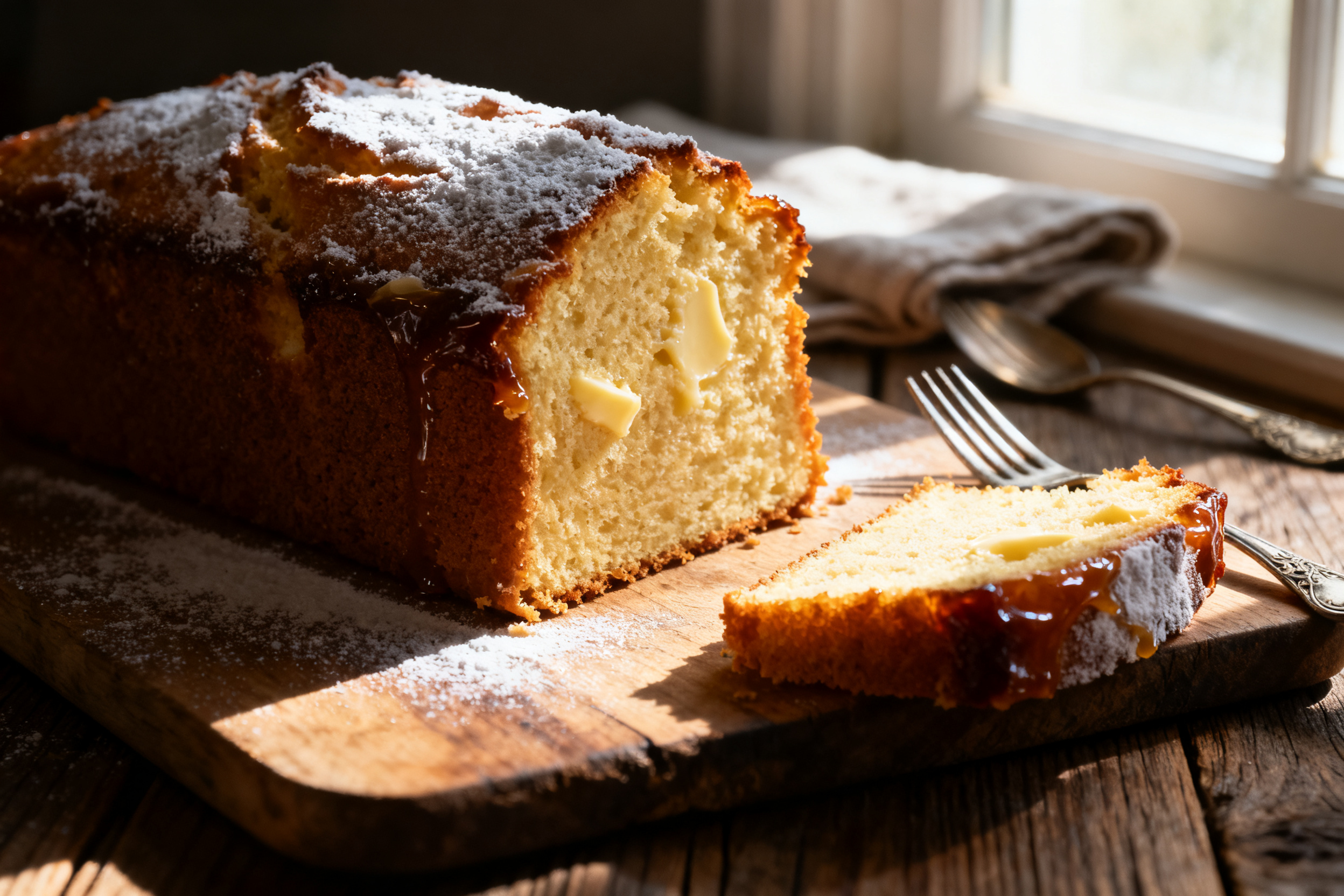
A plain slice with a dusting of powdered sugar is perfect, but I love it with a dollop of whipped cream and fresh berries. It also makes an incredible base for strawberry shortcake.
Toast a slice and slather it with salted butter for a breakfast that feels like a cheat day. Pair it with a hot cup of coffee or a cold glass of milk for the ultimate treat.
6. Use your leftovers
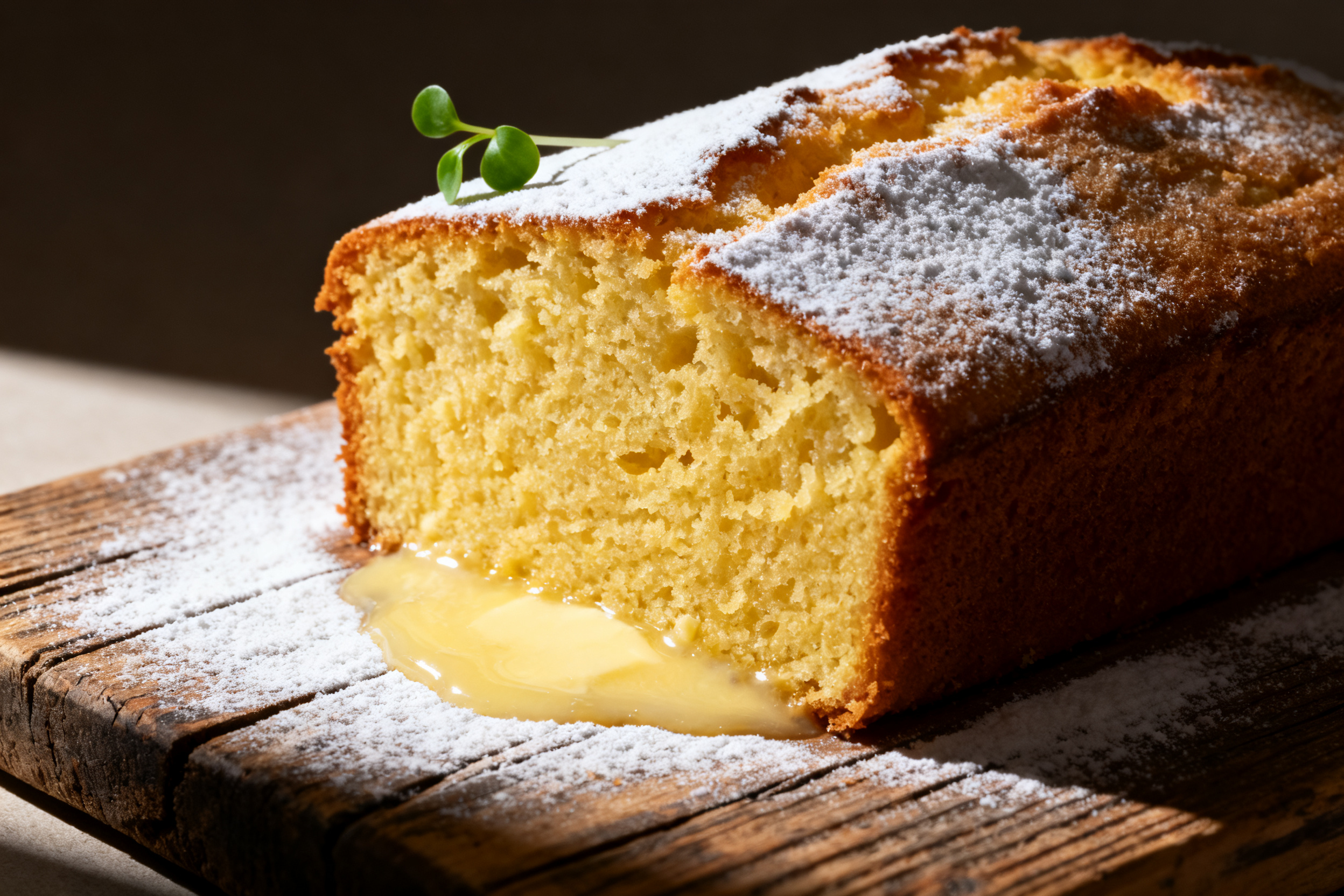
Stale pound cake makes amazing French toast. Just dip thick slices in a custard of eggs, milk, and vanilla, then pan-fry until golden.
You can also cube it up, toast it in the oven, and use it as a crunchy topping for ice cream sundaes or yogurt parfaits. Waste not, want not.
7. Common mistakes & how to fix them
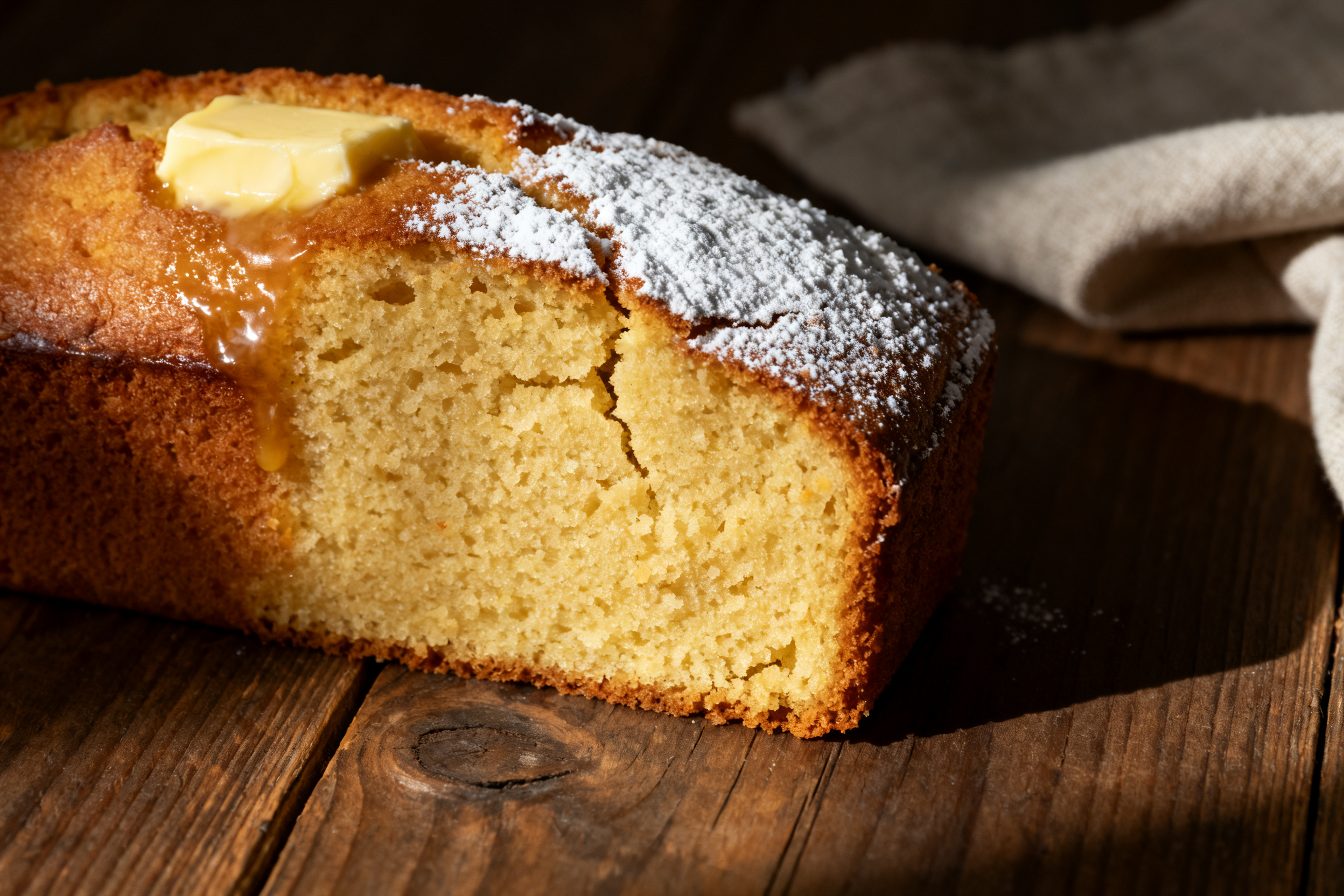
The biggest mistake is overmixing the batter once you add the flour. This develops gluten and makes your cake tough. Mix just until you see no more white streaks.
If your cake cracks on top, that’s actually normal for pound cake—it’s called a “crown.” But if it sinks in the middle, your oven was too hot or you opened the door too early. Keep it closed for the first 30 minutes.
8. Variations by diet or flavor profile

For a lemon pound cake, add the zest of two lemons to the sugar and rub it in with your fingers before creaming. Swap the vanilla for lemon extract.
Want a chocolate version? Replace 1/4 cup of the flour with unsweetened cocoa powder and add a teaspoon of instant espresso powder for depth. For a boozy twist, brush the baked cake with a simple syrup spiked with bourbon or rum.
9. Why this recipe works
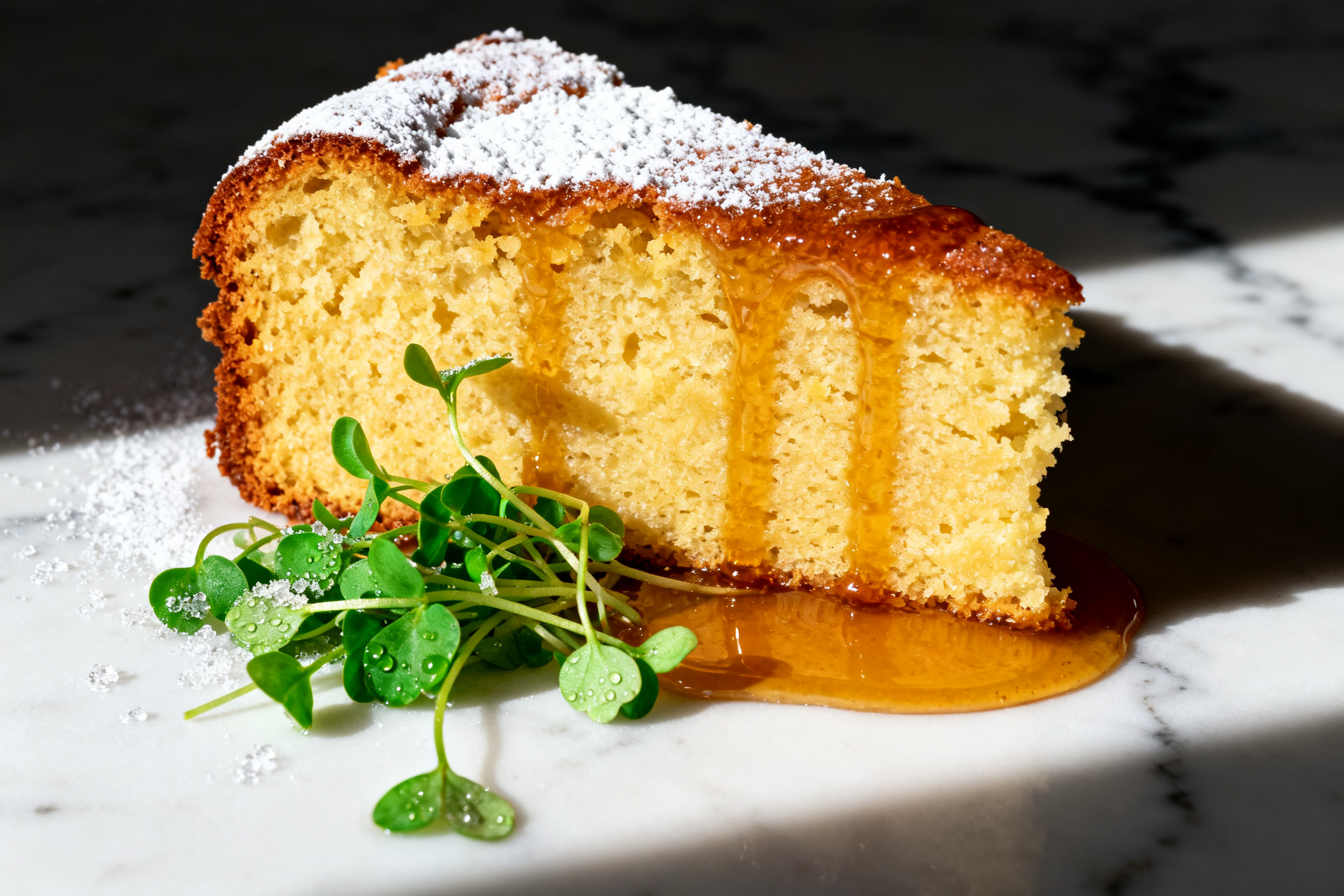
This recipe uses the classic 1:1:1:1 ratio of butter, sugar, eggs, and flour. That balance creates a dense, moist cake that isn’t too sweet or too dry.
The long creaming time incorporates tiny air bubbles that give the cake its tender crumb. And the addition of a little milk keeps the texture from being too heavy, so you get that perfect melt-in-your-mouth feel.
10. Frequently Asked Questions (FAQ)
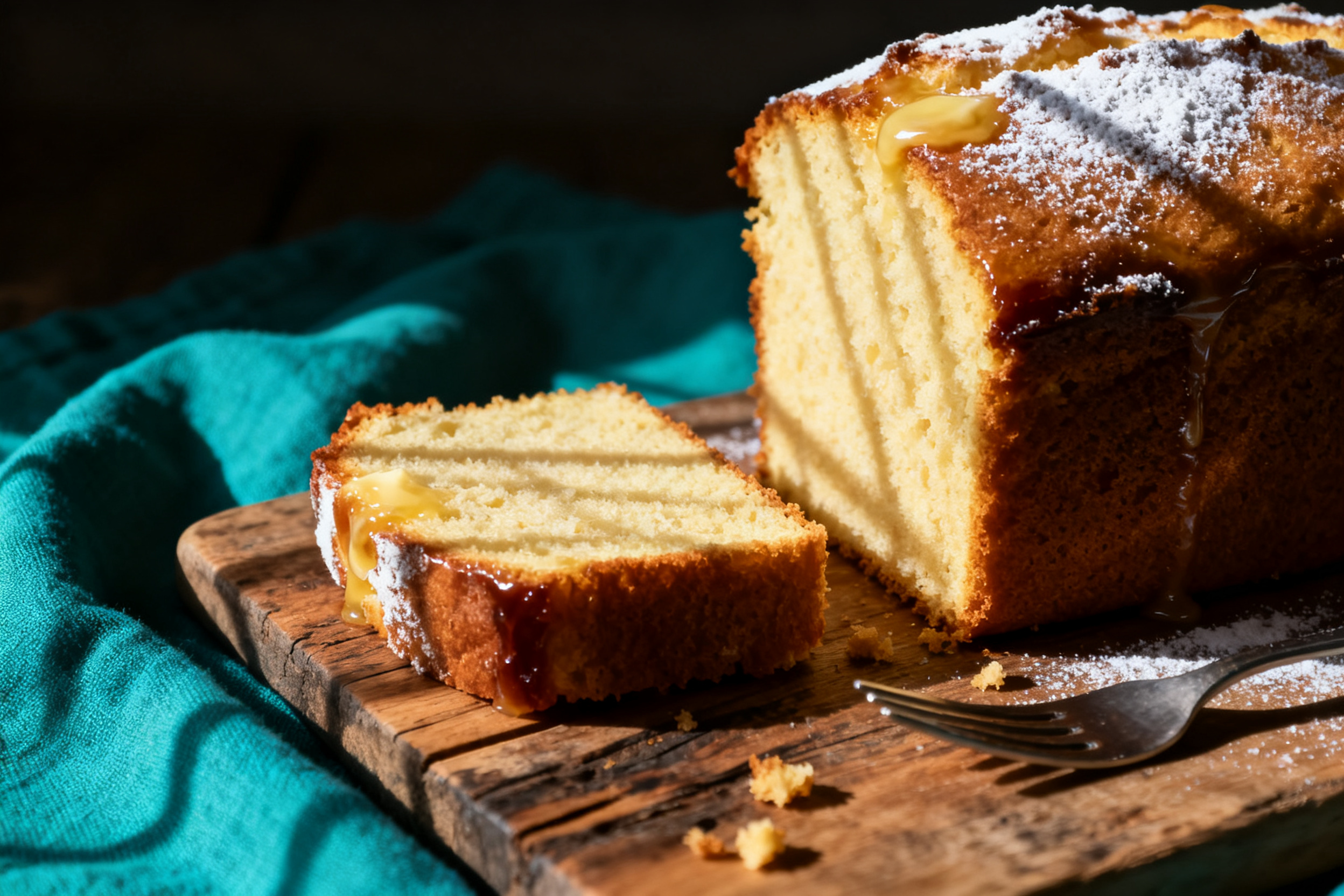
Why did my cake stick to the pan? You probably didn’t grease it thoroughly enough. Use butter and a dusting of flour, or a baking spray with flour.
Can I use salted butter? Yes, but reduce the added salt in the recipe to 1/4 teaspoon. Otherwise, it might be too salty.
How do I know when it’s done? Insert a long wooden skewer into the center. If it comes out with a few moist crumbs, it’s perfect. If it’s wet, bake for another 5 minutes.
11. Call to action
I’d love to see your take on this classic. Drop a comment below and tell me how yours turned out or what variation you tried.
If you found this helpful, share the recipe with a friend who needs a foolproof dessert. And don’t forget to subscribe so you never miss a new post.
Conclusion

There you have it—a pound cake that’s dense, buttery, and absolutely irresistible. No complicated steps, no fancy equipment, just pure, simple baking joy.
This is the kind of recipe you’ll come back to again and again, whether for a last-minute dessert or a weekend baking project. Go ahead, preheat that oven and treat yourself to a slice of heaven.
Happy baking, and remember: a little butter makes everything better.
Classic Dense Buttery Pound Cake Recipe
Ingredients
- 1 cup 2 sticks unsalted butter, softened
- 1 cup granulated sugar
- 4 large eggs at room temperature
- 1 teaspoon vanilla extract
- 1 1/2 cups all-purpose flour
- 1/2 teaspoon salt
- 1/2 teaspoon baking powder
- 2 tablespoons whole milk at room temperature
Instructions
- Preheat your oven to 325°F (160°C). Grease a 9×5-inch loaf pan with butter and dust with flour, tapping out the excess.
- In a large bowl, beat the softened butter and sugar together with an electric mixer on medium speed for 3-4 minutes until light and fluffy.
- Add the eggs one at a time, beating well after each addition. Scrape down the sides of the bowl as needed. Stir in the vanilla extract.
- In a separate bowl, whisk together the flour, salt, and baking powder.
- With the mixer on low speed, add the dry ingredients to the butter mixture in three additions, alternating with the milk. Start and end with the flour mixture. Mix just until combined—do not overmix.
- Pour the batter into the prepared loaf pan and smooth the top with a spatula.
- Bake for 55-65 minutes, or until a skewer inserted into the center comes out with a few moist crumbs. If the top browns too quickly, tent loosely with foil after 40 minutes.
- Let the cake cool in the pan for 10 minutes, then turn it out onto a wire rack to cool completely before slicing.
Notes
2. To make a lemon version, add the zest of 2 lemons to the sugar and rub together before creaming.
3. Replace vanilla with 1 teaspoon lemon extract.
4. Store leftovers wrapped tightly in plastic wrap at room temperature for up to 4 days, or freeze for up to 3 months.
5. If using salted butter, reduce the added salt to 1/4 teaspoon.