


You know that feeling when you bite into a slice of cake and it practically melts on your tongue? That’s exactly what we’re chasing today. I’m talking about a vanilla cake so tender, so velvety, you’ll swear it came from a bakery — except you made it yourself, from scratch.
No box mixes, no shortcuts. Just real butter, real eggs, and a little patience. And you know what? It’s way easier than you think. I’ve tested this recipe a dozen times (my family is not complaining), and I’m handing you every trick I’ve learned.
Ready to bake the best vanilla cake of your life? Let’s get to it.
1. Allergens

This recipe contains wheat (gluten), dairy (butter, milk), and eggs. If you have celiac disease or a dairy allergy, skip straight to the Variations section for swap ideas.
Eggs are crucial for structure and moisture, so I don’t recommend omitting them without a tested substitute. For a flax egg alternative, you’ll need to adjust the liquid ratio — see the FAQ for details.
Cross-contamination note: If you’re baking for someone with a severe allergy, use certified gluten-free flour and check your vanilla extract for alcohol content (some contain gluten-derived grains).
2. Ingredient notes & substitutions

Use room-temperature ingredients — butter, eggs, and milk. Cold ingredients won’t emulsify properly, and you’ll end up with a dense, greasy crumb. Set them out 30 minutes before you start. If you’re in a hurry, warm the milk slightly and place eggs in a bowl of warm water for 5 minutes.
3. Pro tips
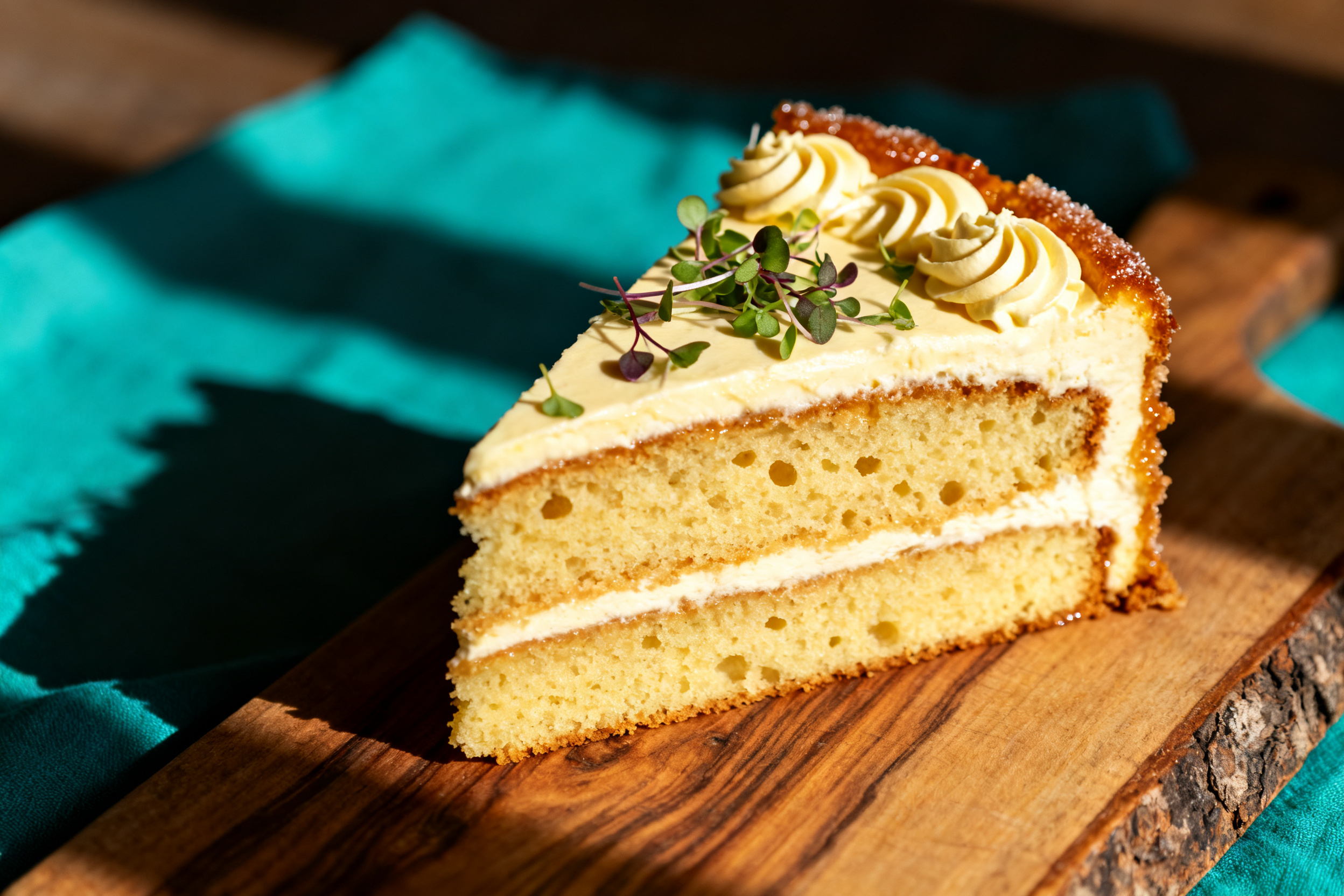
Cream the butter and sugar until pale and fluffy — that’s about 3–4 minutes with a stand mixer. This step incorporates air, giving you that light, silky texture. Don’t rush it.
Scrape down the bowl between each addition. It sounds tedious, but it prevents lumps of butter or unmixed flour from ruining your batter. I do it after every two additions.
Use cake flour if you can find it. The lower protein content creates a softer crumb. All-purpose works too, but substitute 2 tablespoons of cornstarch per cup of flour to mimic cake flour.
Don’t overmix after adding flour. Stir just until the streaks disappear. Overworking develops gluten, turning your velvety cake into a rubbery mess. Fold gently with a spatula for the last few turns.
4. Storage & make-ahead
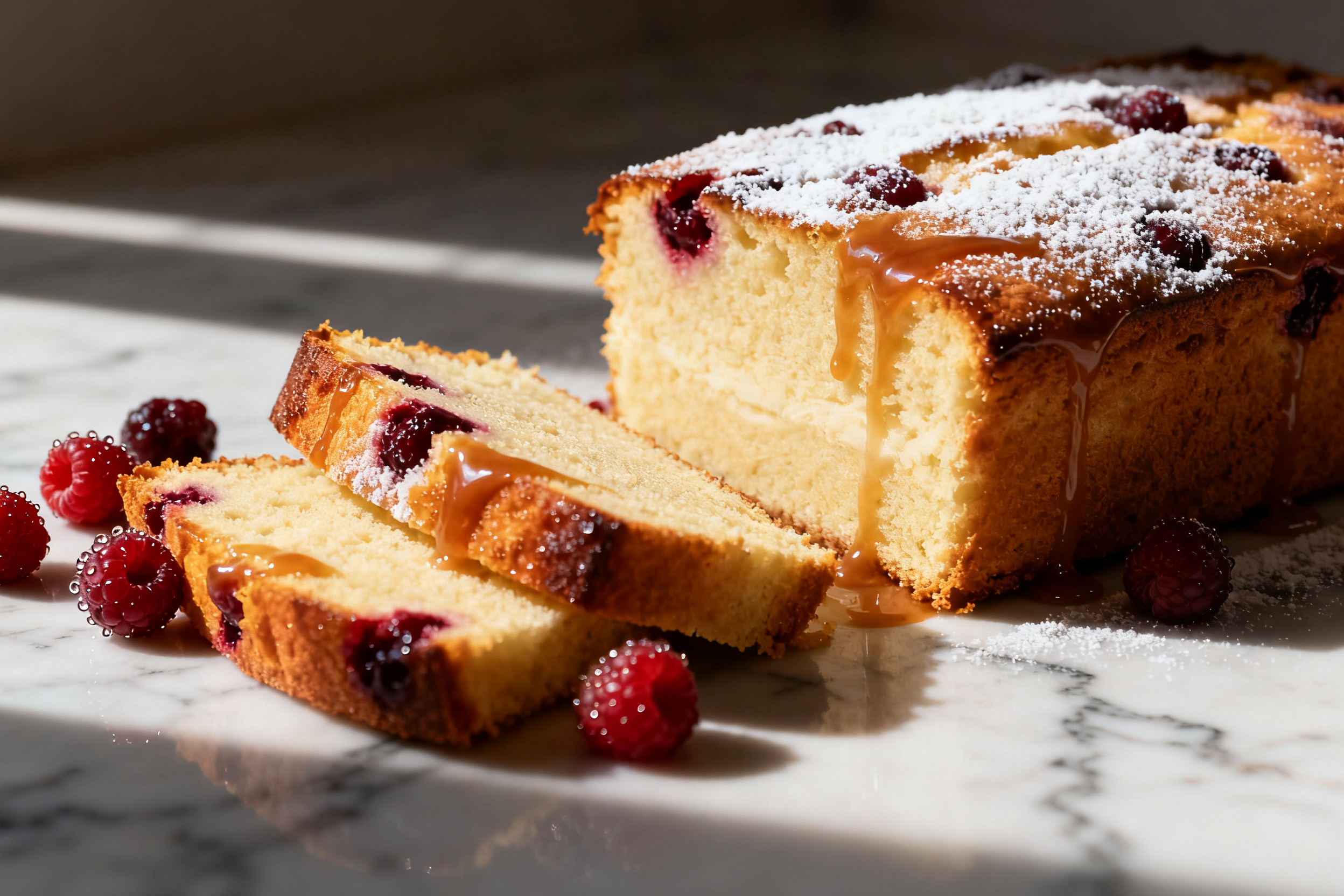
Store unfrosted cake layers tightly wrapped in plastic wrap at room temperature for up to 2 days. For longer storage, wrap each layer in plastic then foil and freeze for up to 3 months.
Frosted cake keeps in the fridge for 3–4 days. Let it come to room temperature for 30 minutes before serving — the texture and flavor are much better that way.
5. Serving suggestions

This vanilla cake is a star on its own, but it loves company. Top with fresh berries and a dollop of whipped cream for a simple dessert. Or go all out with a layer of chocolate ganache and raspberry jam.
For a brunch vibe, serve slices alongside a fruit salad and a cup of coffee. The cake’s mild sweetness pairs beautifully with tangy lemon curd or a salted caramel drizzle.
Birthday cake alert: This is the perfect base for a classic buttercream. Use a vanilla bean paste or scrape a real vanilla pod into the frosting for those gorgeous black specks.
Feeling fancy? Toast the cake slices lightly under the broiler for 30 seconds — the edges get crispy, the inside stays soft, and it’s heaven with a scoop of ice cream.
And don’t forget the milk. A tall glass of cold milk is the ultimate sidekick for a slice of homemade vanilla cake. Trust me on this one.
6. Use your leftovers

Stale cake? Make cake pops — crumble the cake, mix with a little frosting, roll into balls, and dip in chocolate. Instant party treat.
You can also cube leftover cake and layer it in a trifle with pudding, fruit, and whipped cream. It’s a dessert that looks fancy but uses up every last crumb.
Another idea: toast slices in a buttered pan and serve as a cake French toast — dip in egg mixture and cook until golden. Breakfast of champions.
Cake crumbs make an excellent topping for ice cream or yogurt. Just freeze the crumbs in a bag and sprinkle whenever you need a sweet crunch.
If you have a lot leftover, slice and freeze individual portions. Wrap each slice in plastic and then foil. They’ll keep for a month — perfect for sudden cravings.
And if all else fails, crumble it over a bowl of pudding and call it a parfait. No one will judge you. I won’t, anyway.
7. Common mistakes & how to fix them

Your cake domed too much — that’s usually too much baking powder or an oven running hot. Next time, reduce the powder by 1/4 teaspoon and use an oven thermometer. For this batch, just level the dome with a serrated knife.
The cake is dry — you likely overbaked or used too much flour. Measure by spooning flour into the cup and leveling, not scooping. If it’s already dry, brush the layers with a simple syrup (equal parts sugar and water boiled) before frosting.
The cake sank in the middle — the oven door got opened too early, or the batter wasn’t mixed enough. Keep the door closed for the first 25 minutes of baking. If it still sinks, you can fill the cavity with frosting and nobody will notice.
8. Variations by diet or flavor profile

Gluten-free: Swap the all-purpose flour for a 1:1 gluten-free baking blend (the kind with xanthan gum). Add an extra tablespoon of milk to compensate for dryness. Vegan: Use plant-based butter, oat milk, and a flax egg (1 tablespoon ground flax + 3 tablespoons water per egg). The texture will be slightly denser but still delicious. For a chocolate twist, replace 1/4 cup of flour with unsweetened cocoa powder and add an extra tablespoon of milk.
9. Why this recipe works
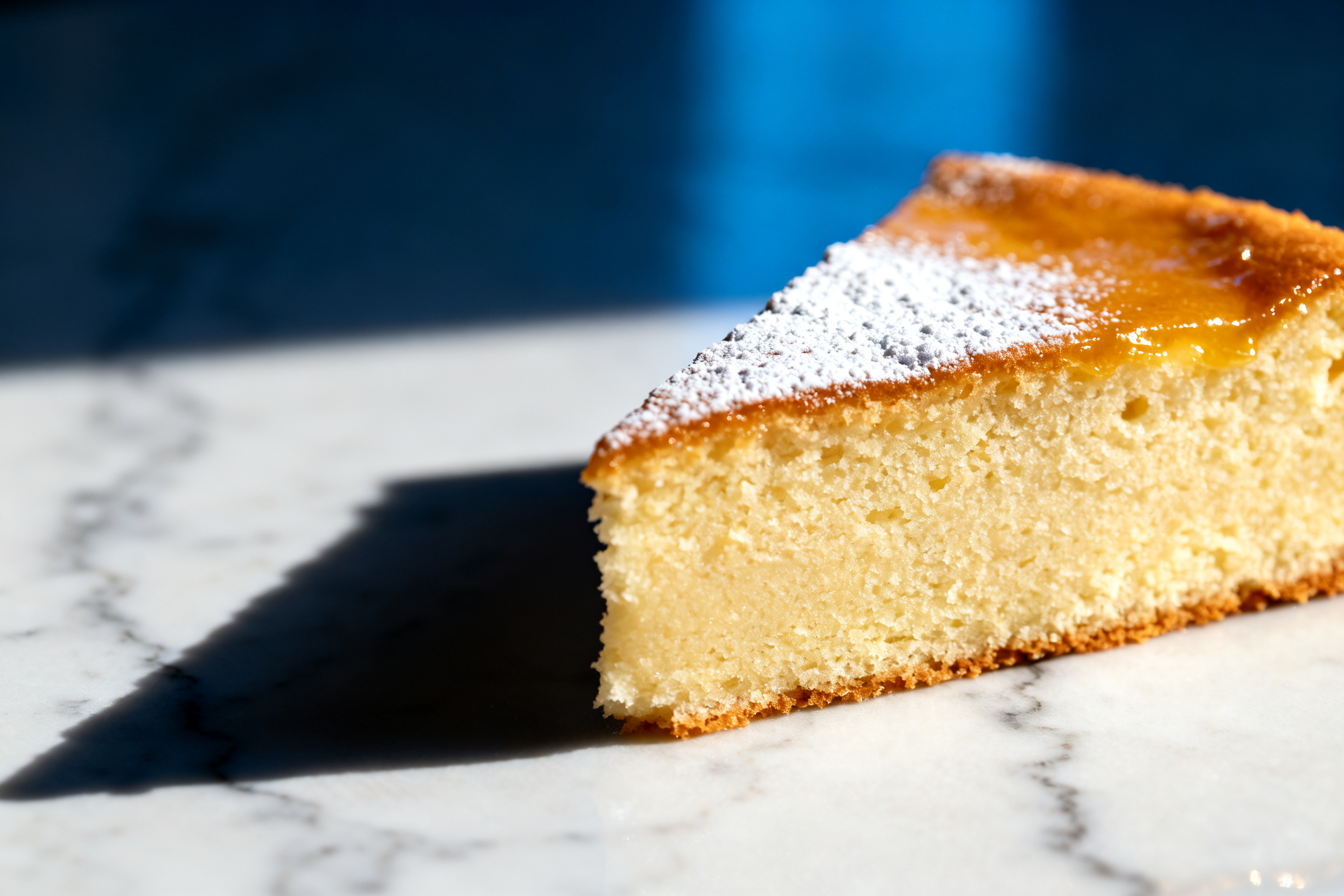
The secret is the reverse creaming method. Instead of creaming butter and sugar first, you mix the dry ingredients with the butter, then add the liquids. This coats the flour in fat, which limits gluten development.
Less gluten means a more tender, velvety crumb. It’s the same technique used by professional bakers for their signature soft cakes.
Buttermilk adds a gentle tang and reacts with the baking soda to create a fine, even rise. If you don’t have buttermilk, add a tablespoon of lemon juice to regular milk and let it sit for 5 minutes.
Finally, the two-stage mixing ensures every ingredient is fully incorporated without overworking the batter. The result is a cake that’s moist, fluffy, and stays fresh for days.
10. Frequently Asked Questions (FAQ)

Can I use a hand mixer instead of a stand mixer? Absolutely. Just cream the butter and sugar for a full 4 minutes, and be careful not to splash. A hand mixer works fine for this recipe.
Why did my cake stick to the pan? You probably didn’t grease and flour the pan properly. Use butter or shortening, then dust with flour, tapping out the excess. Or line the bottom with parchment paper for guaranteed release.
11. Call to action

I’d love to hear how your cake turns out. Drop a comment below with your favorite frosting combo or any tweaks you made. Did you try the chocolate variation? Tell me all about it.
If you enjoyed this recipe, share it with a friend who needs a solid vanilla cake in their life. You know the one — the person who always brings store-bought desserts to potlucks. Let’s convert them.
Subscribe to my newsletter for new recipes every week, plus a free printable baking checklist. No spam, just deliciousness delivered to your inbox.
And don’t forget to pin this post on Pinterest so you can find it next time you’re craving cake. Happy baking, friend.
That’s it — the ultimate vanilla cake from scratch. I promise you, once you make this, you’ll never look at a box mix the same way again. The silky crumb, the rich vanilla flavor, the way it fills your kitchen with that warm, buttery smell… it’s worth every minute of effort.
So go ahead, preheat your oven, and bake yourself something beautiful. You deserve it.
Velvety Vanilla Cake from Scratch with Silky Crumb
Ingredients
- 2 1/2 cups 300g cake flour (or all-purpose flour + 2 tbsp cornstarch)
- 1 1/2 cups 300g granulated sugar
- 1 tablespoon baking powder
- 1/2 teaspoon baking soda
- 1 teaspoon salt
- 3/4 cup 170g unsalted butter, softened
- 1 cup 240ml buttermilk, room temperature
- 1/4 cup 60ml vegetable oil
- 2 teaspoons vanilla extract
- 3 large eggs room temperature
Instructions
- Preheat oven to 350°F (175°C). Grease and flour two 9-inch round cake pans, or line with parchment paper.
- In a large bowl, whisk together flour, sugar, baking powder, baking soda, and salt.
- Add the softened butter to the dry ingredients. Using a mixer on low speed, beat until the mixture resembles coarse sand, about 1 minute.
- In a separate bowl, whisk together buttermilk, oil, vanilla extract, and eggs.
- With the mixer on low, pour half of the wet ingredients into the dry mixture. Beat until just combined, then scrape down the bowl.
- Add the remaining wet ingredients and mix on low until the batter is smooth and no streaks remain. Do not overmix — stop as soon as it comes together.
- Divide the batter evenly between the prepared pans. Smooth the tops with a spatula.
- Bake for 28–32 minutes, or until a toothpick inserted in the center comes out clean or with a few moist crumbs. Rotate the pans halfway through.
- Let the cakes cool in the pans for 10 minutes, then turn out onto a wire rack to cool completely before frosting.
Notes
2. Cold butter won’t blend properly, and cold eggs can cause the batter to curdle.
3. Buttermilk substitute: Add 1 tablespoon lemon juice or white vinegar to 1 cup milk, let sit for 5 minutes.
4. Storage: Unfrosted cake layers can be wrapped tightly and frozen for up to 3 months.
5. Frosted cake keeps in the fridge for 3–4 days.
6. Frosting suggestion: This cake pairs perfectly with a classic vanilla buttercream, chocolate ganache, or cream cheese frosting.
7. High altitude adjustment: Reduce sugar by 1 tablespoon, increase flour by 1 tablespoon, and add an extra 2 tablespoons of liquid.