
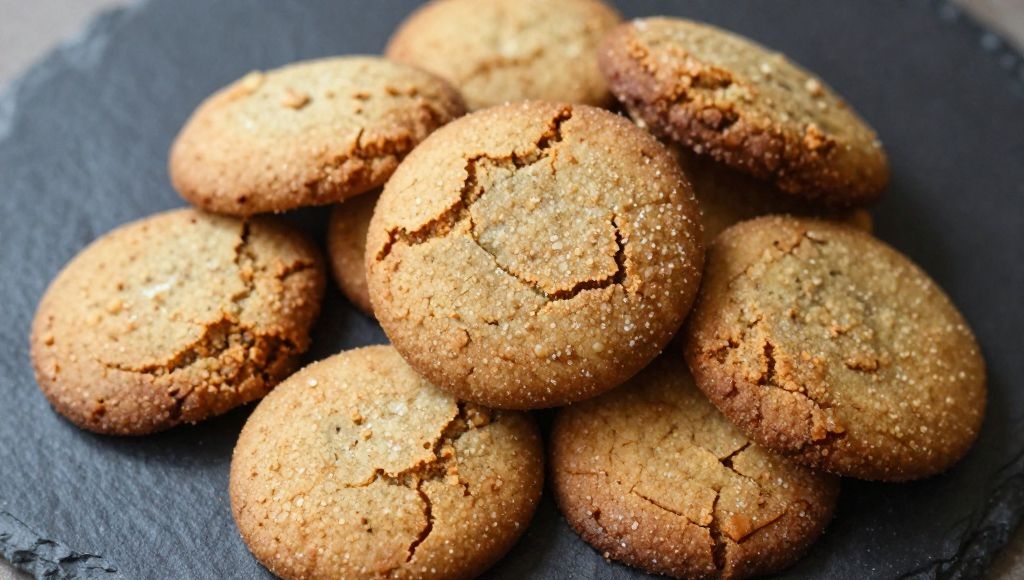

You know that sad gingerbread cookie that crumbles like dust and tastes like cardboard? Yeah, we’re not doing that here. This recipe transforms your kitchen into a bakery that smells like heaven, and the cookies come out soft in the middle, crisp on the edges, and packed with real spice flavor.
I spent years testing gingerbread recipes that promised everything but delivered nothing. Finally, I cracked the code – and I’m spilling all the secrets. Grab your apron, because these cookies are about to become your holiday (or any-day) obsession.
1. Allergens
This recipe contains wheat (gluten), dairy (butter), and eggs. If you need to avoid any of those, check the variations section below for swaps that actually work.
Cross-contamination warning: I use a shared kitchen, so if you have severe allergies, please read labels on your spices and molasses – some brands process near nuts or soy. Molasses is naturally gluten-free, but always double-check.
For a dairy-free version, use plant-based butter sticks (like Miyoko’s or Country Crock Plant Butter) and expect a slightly softer cookie. For egg-free, a flax egg (1 tbsp flax meal + 3 tbsp water) works, but the texture will be chewier.
2. Ingredient notes & substitutions
Molasses is non-negotiable for that deep, dark gingerbread flavor. Use unsulphured molasses – not blackstrap (too bitter) or fancy molasses (too light). Grandmother’s or Brer Rabbit are solid choices. Out of fresh ginger? Ground ginger works fine, but fresh grated ginger adds a little zing that makes people ask for the recipe.
Brown sugar keeps these cookies tender. Dark brown sugar gives more moisture and a caramel note; light brown sugar is fine but less intense. You can swap half the brown sugar for coconut sugar, but the color will be paler and the dough a bit grainier.
3. Pro tips
Chill the dough for at least two hours. I know, you want cookies now. But cold dough spreads less, holds its shape, and develops deeper flavor. Overnight is even better – just let it sit on the counter for 10 minutes before rolling.
Measure your flour like a pro: spoon it into the measuring cup and level it off. Scooping directly from the bag packs in an extra 20% flour, and nobody wants hockey-puck gingerbread. Use a cookie scoop for uniform size. This isn’t just about looks – even baking means no burnt edges or raw centers.
Roll dough between two sheets of parchment paper. No sticking, no extra flour messing up your dough ratio. One more thing: don’t overbake. Pull them when the edges are just set and the centers still look slightly underdone. They’ll firm up as they cool.
If you want that classic crackled top, roll the chilled dough balls in granulated sugar right before baking. And always rotate your baking sheet halfway through – oven hot spots are real, folks.
4. Storage & make-ahead (fridge/freezer)
Fridge: store baked cookies in an airtight container for up to one week. Add a slice of plain bread to the container – it absorbs excess moisture and keeps the cookies from drying out. Swap the bread every couple of days for best results.
Freezer (baked): These cookies freeze beautifully. Layer them between parchment paper in a freezer bag, and they’ll stay delicious for three months. Thaw at room temperature for 15 minutes, or warm them in a 300°F oven for 5 minutes to revive that fresh-baked snap.
Freezer (dough): This is my favorite make-ahead trick. Portion the chilled dough into balls, freeze them solid on a baking sheet, then transfer to a bag. Bake straight from frozen – just add 2-3 minutes to the bake time. No thawing required.
Make-ahead tip: You can prepare the dry mix and the wet mix separately up to three days ahead. Keep the wet mix in the fridge, and combine when you’re ready. But honestly, the fully mixed dough does just fine in the fridge for up to four days.
Never store gingerbread cookies in a plastic bag without layering parchment – they’ll get sticky and lose their texture. Glass or metal containers work best. If they do go soft, pop them in a 350°F oven for three minutes to crisp back up.
5. Serving suggestions
Pair these with a cold glass of milk or a hot mug of spiced apple cider. For a dessert board, arrange them alongside chocolate truffles, candied pecans, and sliced pears. The spicy warmth of the cookie loves creamy dips – try whipped cream cheese thinned with a little maple syrup.
Crumbled over vanilla ice cream with a drizzle of caramel sauce turns these into a next-level sundae. Or sandwich two cookies with a smear of lemon curd for a bright, tangy surprise. Feeling cheeky? Use them as edible spoons for a bowl of eggnog.
6. Use your leftovers
Crumble any stale cookies into a gingerbread crust for cheesecake or a pie. Just pulse in a food processor with melted butter and press into a pan – no baking required. You can also grind them into fine crumbs and use as a topping for yogurt, oatmeal, or roasted butternut squash.
7. Common mistakes & how to fix them
Mistake #1: Your cookies spread into flat pancakes. That usually means your dough wasn’t chilled enough, or you used melted butter instead of softened. Fix: always chill for two hours minimum, and make sure your butter is at cool room temperature – you should be able to press it but it shouldn’t be greasy.
Mistake #2: They taste bitter or burnt. That’s likely from overbaking combined with dark molasses. Pull the cookies when the edges are just set, and switch to unsulphured molasses if you were using blackstrap. Also, check your baking soda – old baking soda leaves a metallic taste.
Third mistake: raw flour taste. You didn’t bake them long enough, or you over-measured the flour. Next time, spoon and level. If they’re underdone in the center, lower your oven temp by 25°F and bake an extra two minutes.
Last common fail: no ginger kick. You’re either using old ground ginger (replace every six months) or skimping on the amount. Don’t be shy – this recipe calls for two full tablespoons of fresh ginger plus dry spices. Fresh ginger makes a world of difference.
8. Variations by diet or flavor profile
Vegan: Swap the butter for vegan baking sticks and use a flax egg (1 tbsp flax meal + 3 tbsp water, let sit 5 minutes). The cookies will be slightly softer but still delicious. Gluten-free: Replace all-purpose flour with a cup-for-cup gluten-free blend that contains xanthan gum (King Arthur and Bob’s Red Mill both work great).
Flavor twist: add 1/2 tsp black pepper and 1/4 tsp cayenne for a Mexican hot chocolate vibe. Or stir in 1/2 cup finely chopped crystallized ginger for extra chew and spicy sweetness. For a citrusy lift, add the zest of one orange to the wet ingredients.
9. Why this recipe works
The ratio of fat to sugar to flour is calibrated for chewiness, not crunch. Most gingerbread recipes go heavy on flour to make the dough easy to roll, which gives you those dry, brittle cookies. Here, we use less flour and an extra egg yolk (the fat from the yolk tenderizes the crumb while the protein provides structure).
Molasses is acidic, and baking soda needs acid to activate. That reaction creates tiny gas bubbles, giving you a soft interior. But too much acid makes the cookies spread – so we balance it with enough flour and chilling time to lock in the shape. The spices are bloomed by mixing them with the butter and sugar first, which releases their essential oils. That’s why these taste intensely spiced, not just vaguely warm.
Why the two-hour chill? Cold butter solidifies, so it melts slowly in the oven. Slow melt = less spread + taller cookie. Plus, resting allows the flour to fully hydrate and the flavors to marry. Science is delicious.
10. Frequently Asked Questions (FAQ)
Can I make these without a stand mixer? Absolutely. Use a large bowl and a wooden spoon, then your hands to bring the dough together. Beat the butter and sugar until creamy by hand – it takes three minutes of vigorous stirring, but it’s a good arm workout.
Why did my dough feel sticky even after chilling? That happens in humid kitchens. Dust your hands and rolling pin lightly with flour, but add no more than two extra tablespoons to the whole batch. Too much extra flour will make them dry.
Can I roll these out for cut-out cookies? Yes, but you need to chill the dough for three hours first, then roll to 1/4-inch thickness between parchment. Cut shapes and freeze them on the sheet for 10 minutes before baking. They’ll hold their edges beautifully.
How do I know when they’re done without overbaking? Look for set edges and a slightly soft, puffy center. Touch the top – it should spring back slowly. If it feels firm like a cracker, you’ve gone too far. Pull them out when the centers still look a little underdone.
Can I reduce the sugar? Not really – sugar provides moisture and structure here. Cut it down, and you’ll get hard, sad disks. Instead, make a smaller batch or share them widely. Your neighbors will love you.
What’s the best molasses substitute? In a pinch, use half dark corn syrup and half honey, but know that the flavor will be much lighter and less complex. Honestly, just buy molasses – it lasts forever in the pantry.
11. Call to action
If you make these (and please do), come back and leave a comment below. Tell me if your kitchen smelled like a winter fairytale or if you added your own twist. Tag me in your cookie photos on Pinterest – I genuinely love seeing your bakes.
And hey, if this recipe saved your holiday cookie swap, share it with a friend who’s still suffering through dry gingerbread. Nobody should have to eat cardboard when perfection is this easy. Subscribe to the newsletter for more no-nonsense recipes delivered straight to your inbox (no spam, just sugar).
Conclusion: You just unlocked the secret to gingerbread cookies that stay soft, spicy, and utterly addictive for days. No more crumbling disappointment – just warm, fragrant rounds of joy that make you the hero of every cookie exchange. Go preheat that oven, chill that dough, and get ready to forget every bad gingerbread cookie you’ve ever had. Now get baking – and don’t forget to save one for Santa.
Recipe Name: Perfectly Spiced Soft Gingerbread Cookies
Servings: 24 cookies
Estimated Cost Per Serving: $0.28
Prep Time: 20 minutes
Cook Time: 10 minutes
Total Time: 2 hours 30 minutes (includes chilling)
Course: Dessert
Cuisine: American
Calories Per Serving: 135
Diet: None
Difficulty: Easy
Ingredients
- 2 ¼ cups (280g) all-purpose flour
- 1 ½ tsp baking soda
- 1 tbsp ground ginger
- 1 tsp ground cinnamon
- ½ tsp ground cloves
- ¼ tsp ground nutmeg
- ½ tsp fine sea salt
- ¾ cup (170g) unsalted butter, softened to cool room temperature
- ¾ cup (150g) dark brown sugar, packed
- ⅓ cup (113g) unsulphured molasses
- 1 large egg + 1 large egg yolk, at room temperature
- 1 tbsp finely grated fresh ginger (about a 1-inch piece)
- 1 tsp vanilla extract
- ¼ cup (50g) granulated sugar (for rolling, optional)
Instructions
First, whisk the flour, baking soda, ground ginger, cinnamon, cloves, nutmeg, and salt together in a medium bowl. Set aside.
In a large bowl, beat the softened butter and dark brown sugar with an electric mixer on medium speed until light and fluffy, about 2-3 minutes. Scrape down the sides.
Add the molasses, the whole egg, the extra egg yolk, fresh ginger, and vanilla. Beat until combined, about 1 minute. The mixture might look slightly curdled – that’s fine.
Gradually add the dry ingredients to the wet mixture, mixing on low speed just until no streaks of flour remain. Do not overmix.
Cover the dough tightly with plastic wrap and refrigerate for at least 2 hours, or up to 4 days.
When ready to bake, preheat your oven to 350°F (175°C). Line two baking sheets with parchment paper.
Scoop chilled dough into 1.5-tablespoon balls (about 30g each). If using the granulated sugar for rolling, roll each ball in sugar until lightly coated.
Place dough balls 2 inches apart on the prepared baking sheets. Bake for 9-11 minutes – the edges should be set and the centers puffy and slightly soft.
Let the cookies cool on the baking sheet for 5 minutes, then transfer to a wire rack to cool completely. They will firm up as they cool.