
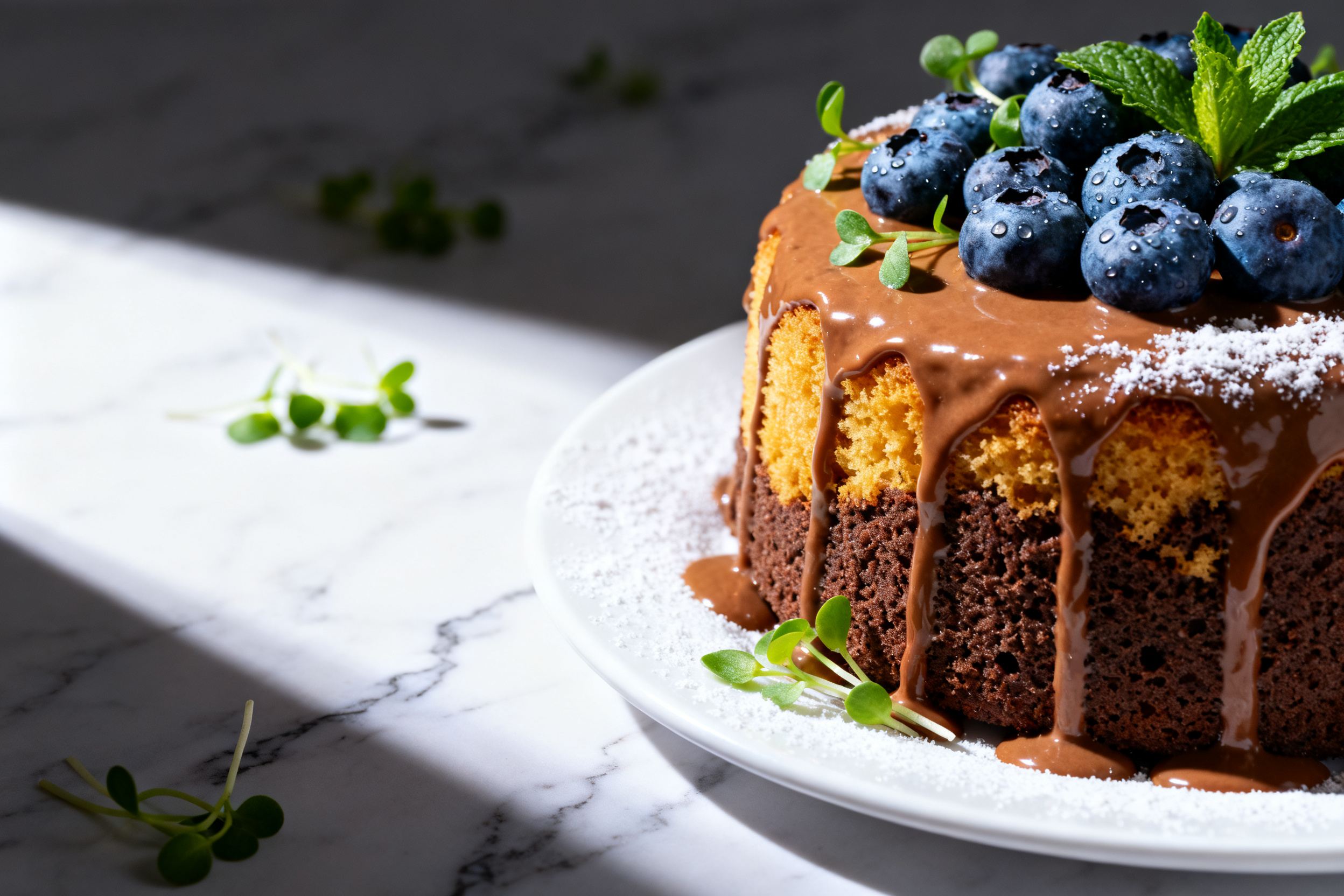

Let’s be honest—boxed cake mix is a lifesaver. But we’ve all been there: you pull a dry, crumbly cake out of the oven and wonder where you went wrong. Not today, friend.
I’ve spent years tweaking these cake box mix recipes to get that bakery-style crumb. The secret? A few simple swaps that make a world of difference. No fancy ingredients required.
Ready to turn that humble box into something spectacular? Let’s get baking.
1. Allergens
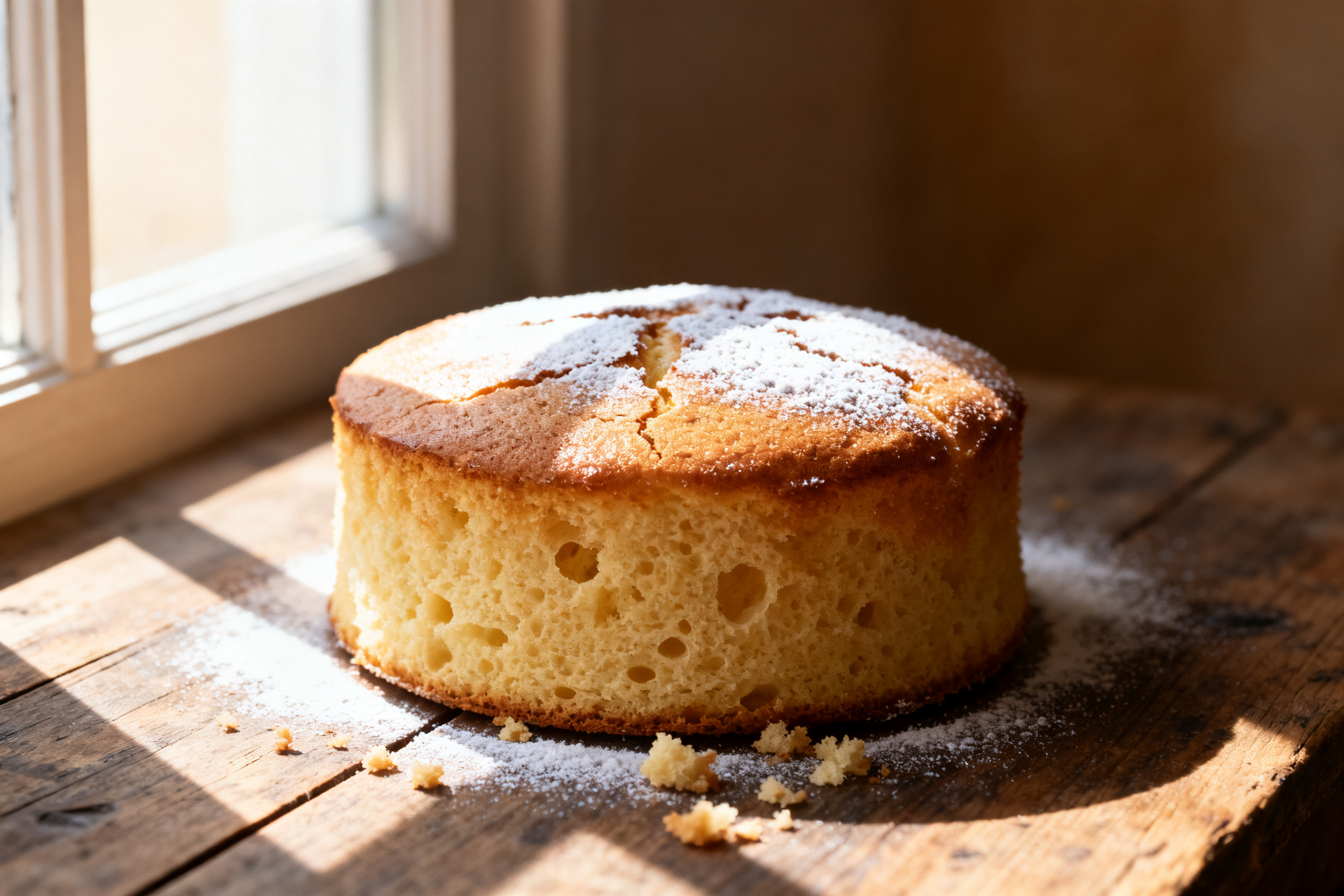
Standard cake mixes contain wheat flour, dairy (milk powder or butter), and often soy lecithin. Many also include eggs in the required ingredients.
For a dairy-free version, use a dairy-free milk substitute (like oat or almond milk) and swap the butter for a solid vegan butter or coconut oil. You can also find certified gluten-free cake mixes at most major grocery stores.
Always check the label on your specific box for hidden allergens like tree nuts or peanuts, especially in specialty mixes. I always keep a backup box just in case.
2. Ingredient notes & substitutions

The box calls for water, oil, and eggs. Swap the water for milk (whole or buttermilk) for a richer taste. Use melted butter instead of oil for a denser, more flavorful crumb.
For eggs, try adding an extra yolk. That extra fat and emulsifier gives you a softer texture. If you’re out of eggs, use 1/4 cup of unsweetened applesauce per egg.
A splash of vanilla extract or almond extract takes the flavor from “boxed” to “homemade” instantly. Don’t skip it.
3. Pro tips

Room temperature ingredients are non-negotiable. Cold eggs or milk can make the batter lumpy and the cake dense. Set everything out 30 minutes before you start.
Mix the batter on low speed for exactly 30 seconds after adding the dry ingredients. Overmixing develops gluten and makes the cake tough.
Use a kitchen scale to measure your box mix powder if you want precision. Boxes can settle during shipping, so weight is more reliable than volume.
4. Storage & make-ahead

Store your cooled cake in an airtight container at room temperature for up to 3 days. If you live in a humid climate, pop it in the fridge to prevent stickiness.
You can freeze the baked cake layers (wrapped tightly in plastic wrap and foil) for up to 3 months. Thaw overnight in the fridge before frosting.
Make the batter ahead of time and refrigerate it for up to 24 hours. Just give it a gentle stir before pouring into the pan.
5. Serving suggestions
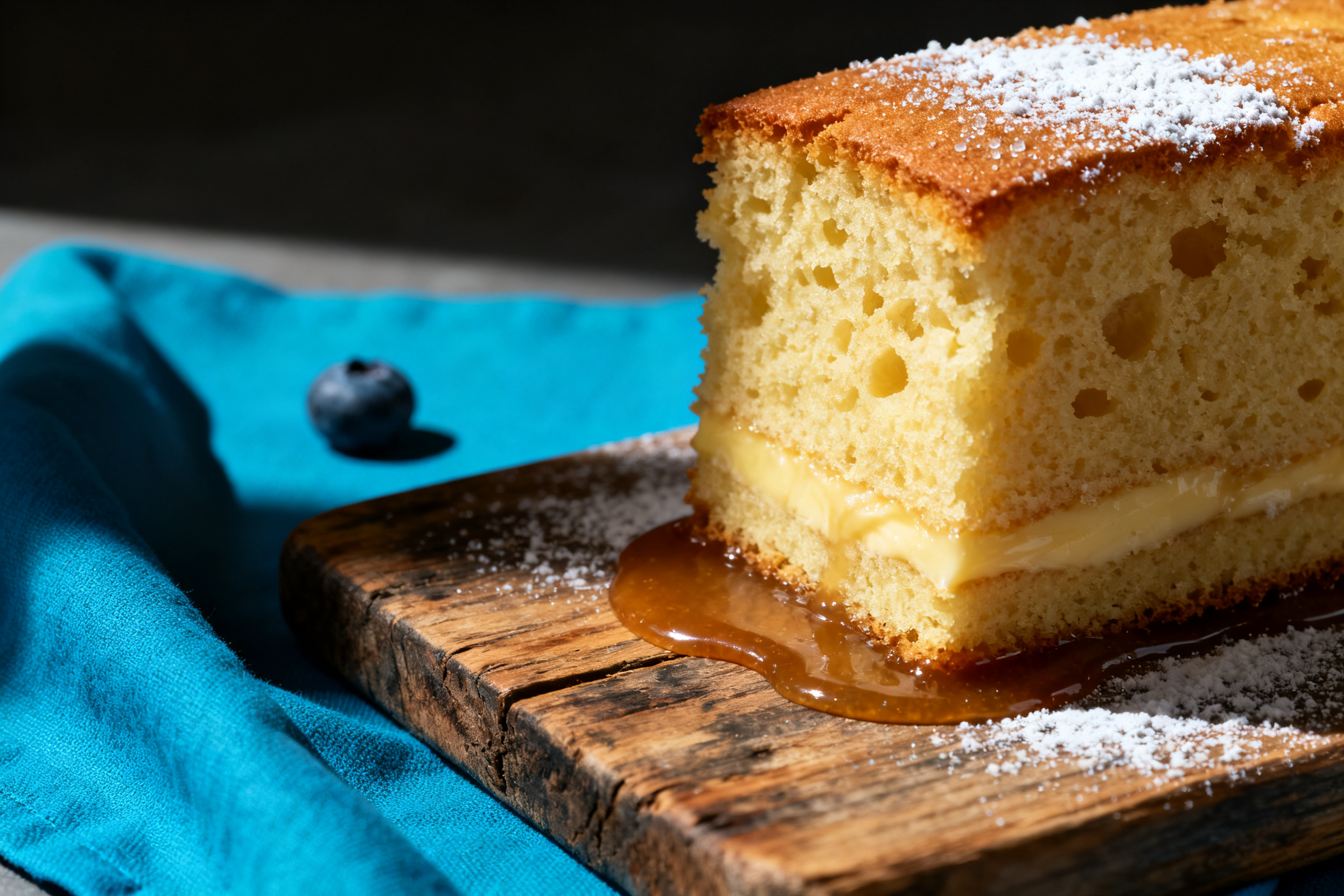
Serve this cake with a dollop of whipped cream and fresh berries for a light dessert. It also pairs beautifully with a scoop of vanilla ice cream.
For a brunch twist, cube the cake and layer it with yogurt and fruit for a quick trifle. Or toast slices and spread with lemon curd.
Coffee or tea is the obvious pairing—try a chai latte or a dark roast to balance the sweetness. A glass of cold milk works every time too.
6. Use your leftovers

Leftover cake makes amazing cake pops. Crumble it up, mix with a tablespoon of frosting, roll into balls, and dip in melted chocolate.
You can also cube stale cake and toast it in the oven for crunchy croutons to top ice cream sundaes. No waste, just more dessert.
Turn it into a bread pudding by soaking the cubes in a custard of eggs, milk, and sugar, then baking until golden. It’s a whole new dessert in 30 minutes.
7. Common mistakes & how to fix them
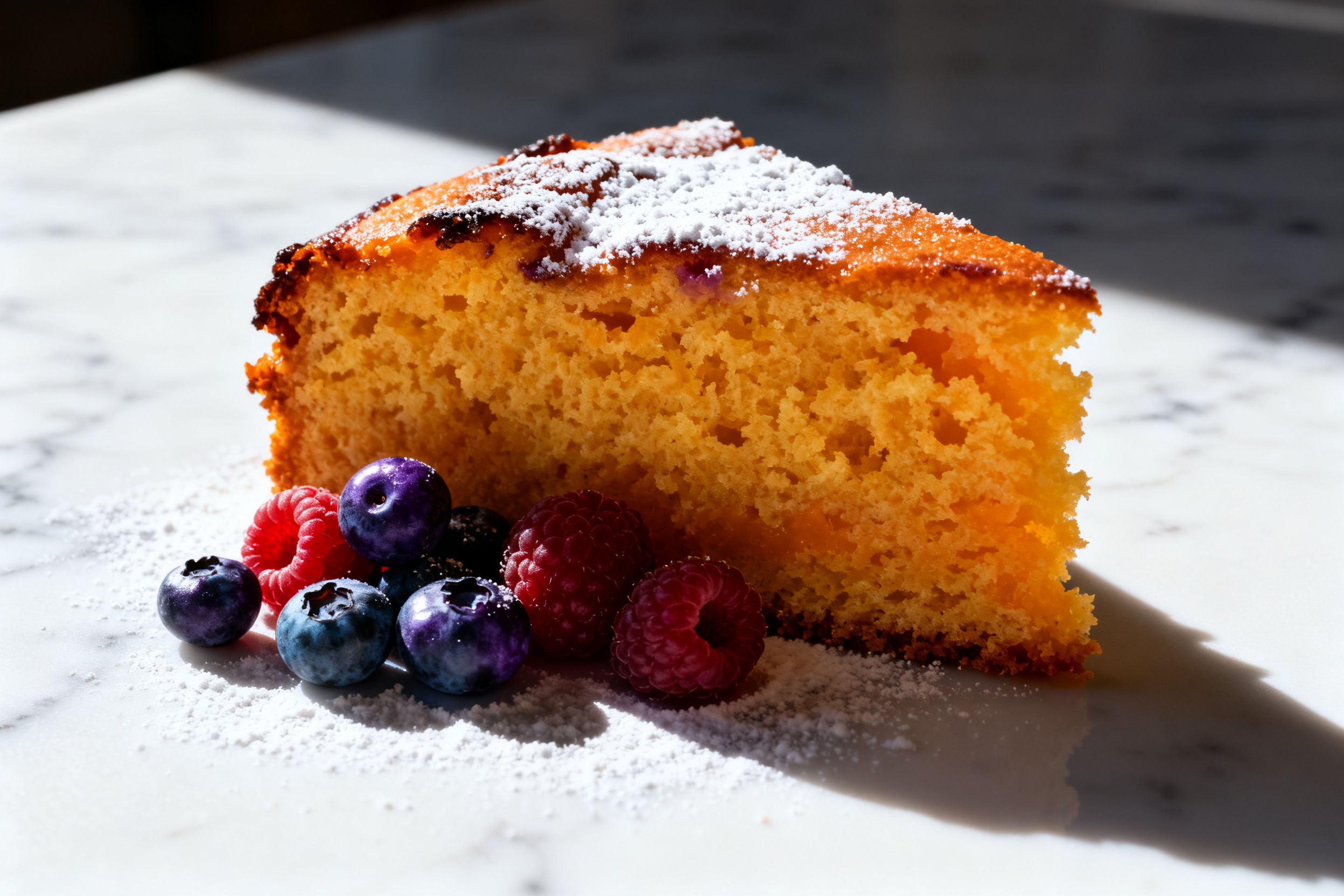
If your cake sinks in the middle, you probably opened the oven door too early. Wait until the cake is almost done before checking, and use a toothpick test.
A dry crumb means you overbaked it or used too much flour. Next time, check the cake 5 minutes before the box says it’s done. Ovens vary wildly.
Cracks on top are usually from too much leavening or a too-hot oven. Lower the temperature by 25°F and see if that helps. If the top cracks anyway, just cover it with frosting—nobody will know.
8. Variations by diet or flavor profile

For a chocolate version, use a chocolate box mix and add a tablespoon of instant coffee powder to the dry mix. It deepens the chocolate flavor without tasting like coffee.
Want a lemon cake? Use a white or yellow mix, replace the water with lemon juice, and add the zest of one lemon. Top with a simple lemon glaze.
For a vegan version, use a flax egg (1 tablespoon ground flaxseed + 3 tablespoons water per egg) and a plant-based milk. Most box mixes are accidentally vegan-friendly.
9. Why this recipe works

The science is simple: replacing water with milk adds fat and protein, which strengthens the crumb structure. Butter instead of oil gives you a more stable emulsion.
Adding an extra egg yolk introduces more lecithin, a natural emulsifier that traps air bubbles. Those bubbles expand in the oven, creating that fluffy texture.
Room temperature ingredients mix more evenly, preventing lumps and ensuring a uniform bake. It’s a small step with a big payoff.
10. Frequently Asked Questions

Can I use a gluten-free cake mix? Yes, but add an extra egg to help with structure. Gluten-free mixes tend to be more fragile.
Why did my cake stick to the pan? You probably didn’t grease it well enough. Use butter and a dusting of flour, or line the bottom with parchment paper.
How do I make the cake extra moist? Add a tablespoon of mayonnaise or sour cream to the batter. Trust me—you won’t taste it, but your cake will thank you.
11. Call to action
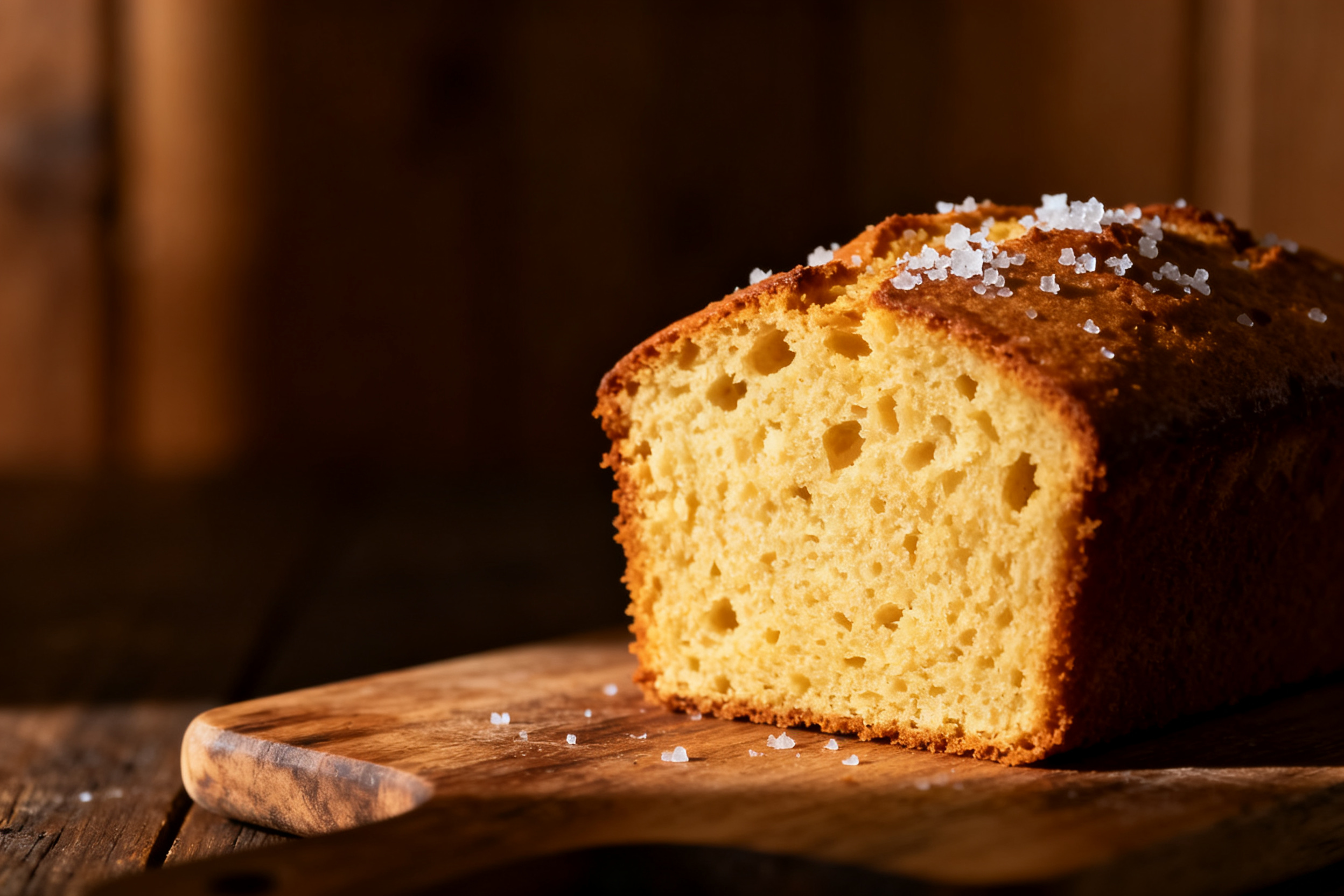
I want to see your cake! Drop a comment below and tell me which variation you tried. Did you go chocolate, lemon, or something wild?
If this post helped you, share it with a friend who needs a cake win. And don’t forget to subscribe so you never miss a recipe.
Happy baking, friend. You’ve got this.
So there you have it—cake box mix recipes that actually deliver a tender, fluffy crumb every single time. No more dry cakes, no more guesswork. Just a perfect slice of homemade goodness from a box. Go preheat that oven and make something delicious.
Perfect Box Mix Cake: Tender Fluffy Crumb Every Time
Ingredients
- 1 box 15.25 oz yellow or white cake mix
- 1 cup whole milk room temperature
- 1/2 cup unsalted butter melted and cooled
- 3 large eggs room temperature
- 1 large egg yolk room temperature
- 1 teaspoon vanilla extract
- 1/4 teaspoon salt
Instructions
- Preheat your oven to 350°F (175°C). Grease a 9×13-inch baking pan or two 9-inch round pans with butter and dust with flour.
- In a large bowl, whisk together the cake mix and salt. Set aside.
- In a separate bowl, whisk the milk, melted butter, eggs, egg yolk, and vanilla extract until smooth.
- Pour the wet ingredients into the dry ingredients. Mix on low speed with an electric mixer for 30 seconds, then scrape down the sides.
- Mix on medium speed for exactly 2 minutes. The batter should be smooth and slightly thick.
- Pour the batter into the prepared pan(s). Tap the pan on the counter twice to release air bubbles.
- Bake for 25-30 minutes (28 minutes is usually perfect), or until a toothpick inserted in the center comes out clean or with a few moist crumbs.
- Let the cake cool in the pan for 10 minutes, then turn it out onto a wire rack to cool completely before frosting.
Notes
2. Store unfrosted cake in an airtight container at room temperature for up to 3 days, or freeze for up to 3 months.
3. If you only have salted butter, reduce the added salt to 1/8 teaspoon.
4. For a dairy-free version, use oat milk and vegan butter. The texture will be slightly less tender but still delicious.