
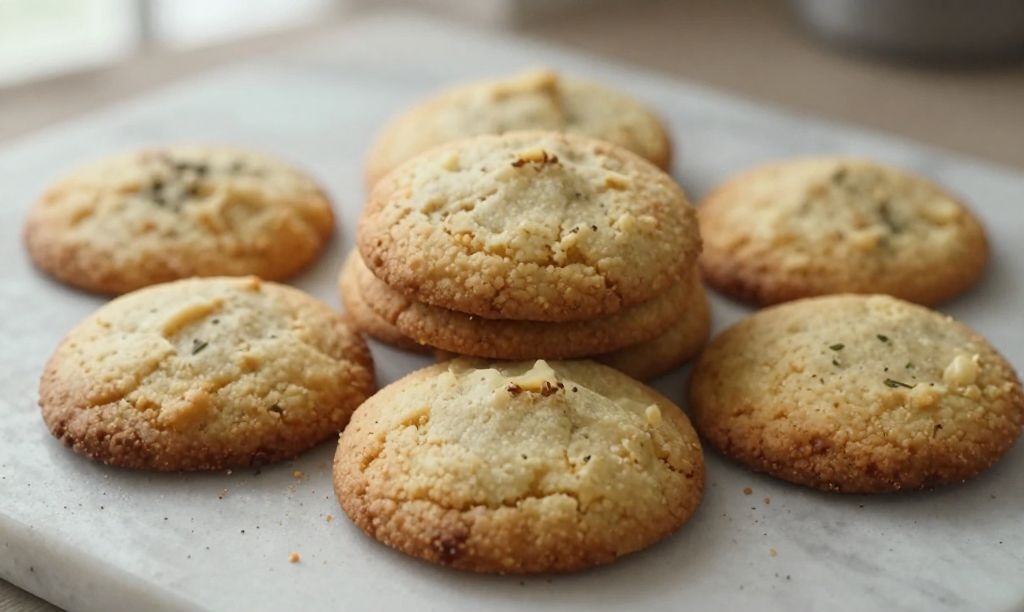

You’ve heard it a million times: cream the butter and sugar first. But do you actually know why? I’ll save the science for later, but trust me – this one simple step separates sad, flat cookies from perfectly soft, chewy sugar cookies.
I’ve ruined more batches than I care to admit by rushing this step. Cold butter, warm eggs, mixing like a maniac – all mistakes we’ll fix today. So grab your stand mixer or a sturdy spatula, because we’re making foolproof sugar cookies that’ll make your grandma jealous.
No chilling required? Well, maybe a little. But I promise, these cookies come together fast, taste like a bakery, and won’t spread into weird mutant blobs. Let’s get creaming.
1. Allergens
These sugar cookies contain butter (dairy), eggs, and all-purpose flour (gluten). For a dairy-free version, use plant-based butter like Miyoko’s and a flax egg (1 tbsp ground flax + 3 tbsp water). For gluten-free, swap in a quality 1:1 gluten-free flour blend that includes xanthan gum – King Arthur’s works great. Always double-check labels if you have severe allergies.
2. Ingredient notes & substitutions
Unsalted butter gives you control over the salt level. If you only have salted, reduce the added salt by 1/4 teaspoon.
Granulated sugar is non-negotiable for that classic crackly top. You can swap half with powdered sugar for a softer, more melt-in-your-mouth texture, but don’t go all powdered or they’ll spread too much.
All-purpose flour is your best bet. Cake flour makes them too tender, bread flour too tough. For a nutty twist, replace 1/4 cup of flour with almond flour – watch them brown faster though.
Pure vanilla extract over imitation, always. One teaspoon is good, two is better. Want a party? Add 1/4 teaspoon of almond extract for that classic bakery flavor.
3. Pro tips
Bring your butter and egg to room temperature. Cold butter won’t cream properly – you’ll end up with lumpy dough. Set them on the counter for an hour, or microwave the butter in 5-second bursts (but don’t melt it!).
Scrape down the bowl at least twice. Butter and sugar love to hide on the bottom. Also, chill the dough for 30 minutes if your kitchen is warm – this prevents spreading and makes the cookies puff up beautifully.
4. Storage & make-ahead (fridge/freezer)
Baked cookies keep well in an airtight container at room temperature for up to 5 days. Separate layers with wax paper to prevent sticking.
For the fridge, store baked cookies the same way – they’ll last 1 week. But honestly, they’re best within 3 days.
Freeze baked cookies for up to 3 months. Wrap them tightly in plastic wrap, then foil, and thaw on the counter for 20 minutes before serving.
Make-ahead cookie dough is a lifesaver. Scoop or roll the dough into balls, place on a parchment-lined tray, freeze until solid, then transfer to a freezer bag.
To bake from frozen, add 2-3 minutes to the bake time – no need to thaw. Just don’t freeze the dough for more than 3 months, or the texture degrades.
5. Serving suggestions (complete the meal)
These sugar cookies are perfect on their own with a tall glass of cold milk. Or crumble them over vanilla ice cream for a quick sundae.
Want to get fancy? Sandwich two cookies with a dollop of buttercream or Nutella. Dust with powdered sugar for a snow-kissed look.
They also shine on a holiday cookie platter alongside gingerbread and snickerdoodles. Dip half the cookie in melted chocolate and sprinkle with crushed candy canes.
For afternoon tea, serve them with lemon curd or raspberry jam. The slight tang cuts through the sweetness beautifully.
Pro hosting move: Set up a cookie decorating station with royal icing and sprinkles. Kids and adults alike will go nuts.
Pair them with a strong cup of black coffee or a chai latte. The spice notes play nicely with the vanilla.
6. Use your leftovers (reduce waste)
Stale cookies? Don’t toss them. Crush into crumbs for a pie crust – mix with melted butter and press into a pan.
Leftover dough scraps (if you’re cutting shapes) can be re-rolled once. Any more than that and the cookies get tough. Make tiny “sample” cookies instead.
You can also blitz cookies in a food processor to make cookie butter – add a splash of oil and a pinch of salt. Spread it on toast or eat it with a spoon (no judgment).
7. Common mistakes & how to fix them
The biggest mistake is over-creaming the butter and sugar. Cream until just pale and fluffy – about 2-3 minutes. Go longer and you’ll incorporate too much air, causing the cookies to rise then collapse. Also, don’t overmix after adding flour; stir until no dry streaks remain, or you’ll develop gluten and get hockey pucks.
8. Variations by diet or flavor profile
Vegan: Use plant-based butter (like Earth Balance) and a flax egg or commercial egg replacer. The cookies will be slightly less tender but still delicious.
Lemon sugar cookies: Add 1 tablespoon of lemon zest and 2 teaspoons of lemon juice to the wet ingredients. Roll the dough balls in granulated sugar before baking.
Brown butter sugar cookies: Brown 1/2 cup of butter first, then let it solidify slightly before creaming with the sugar. This adds a nutty, toffee-like depth.
Gluten-free: As mentioned, use a 1:1 gluten-free flour blend. Add an extra egg yolk to compensate for the lack of gluten structure – it helps with chewiness.
9. Why this recipe works / The science
Creaming butter and sugar first creates tiny air pockets that expand in the oven, giving you a light, tender crumb. The sugar crystals also cut through the butter, which helps control spread – no greasy puddles here.
Using room-temperature ingredients ensures proper emulsification. Cold butter traps air poorly, and cold egg shocks the mixture, leading to a dense texture. That’s why “cream butter and sugar first” is the golden rule, not just a suggestion.
10. Frequently Asked Questions (FAQ)
Can I use salted butter? Yes, just reduce the added salt to 1/8 teaspoon. Otherwise, they might taste a bit too salty.
Why did my cookies spread too much? Either your butter was too warm (too soft or melted), you didn’t chill the dough, or you over-creamed. Next time, chill for 30 minutes minimum.
Can I make these without a mixer? Absolutely. Use a wooden spoon and some elbow grease. Cream the butter and sugar by smashing and stirring – it takes about 5-7 minutes, but it works.
How do I get perfectly round cookies? As soon as they come out of the oven, place a large round cookie cutter or a glass over each cookie and gently swirl. It nudges the edges into a perfect circle.
Can I add sprinkles? Yes! Mix them into the dough or roll the dough balls in sprinkles before baking. Just avoid nonpareils (the tiny hard balls) because their dye can bleed.
11. Call to action (comment, share, subscribe)
If you make these cookies, I’d love to hear about it! Drop a comment below telling me how they turned out – did you add any fun variations?
Snap a photo and tag me on Instagram @fakerecipeblog (kidding, but tag your friends so they can beg you for the recipe).
Sharing is caring, so hit that share button on Pinterest or Facebook. Save this post for your next holiday bake sale or rainy afternoon activity.
Subscribe to my email list and never miss a foolproof recipe. I’ll send you a free PDF of my top 5 cookie hacks as a thank you.
Got a baking disaster? Ask me in the comments. I’ve probably made the same mistake and can talk you off the ledge.
Lastly, rate the recipe using the stars below – it helps other home cooks find this gem. Happy baking!
So there you have it: the unsexy but magical step of creaming butter and sugar first. It’s not flashy, but it’s the foundation of every great sugar cookie.
I still remember my first batch that actually puffed up instead of melting into a greasy disc. Felt like winning a gold medal in baking. Now it’s your turn.
Go preheat that oven, grab a stick of butter, and show those cookies who’s boss. And don’t forget to come back and tell me all about it.
Recipe Name: Foolproof Cream-Butter-First Sugar Cookies
Servings: 24 cookies
Estimated Cost Per Serving: $0.15 (based on average US prices)
Prep Time: 15 minutes
Cook Time: 12 minutes
Total Time: 27 minutes (plus optional 30 minutes chill)
Course: Dessert
Cuisine: American
Calories Per Serving: 120 (per cookie)
Diet: Vegetarian
Difficulty: Easy
Ingredients:
2 1/4 cups (280g) all-purpose flour
1/2 teaspoon baking soda
1/2 teaspoon salt (use 1/4 tsp if using salted butter)
1 cup (226g) unsalted butter, room temperature
1 1/2 cups (300g) granulated sugar
1 large egg, room temperature
2 teaspoons pure vanilla extract
(Optional) 1/4 teaspoon almond extract
Instructions:
First, preheat your oven to 350°F (175°C). Line two baking sheets with parchment paper.
In a medium bowl, whisk together the flour, baking soda, and salt. Set aside.
In a large bowl or stand mixer fitted with the paddle attachment, beat the room-temperature butter on medium speed for 30 seconds until creamy. Add the granulated sugar and beat on medium-high for 2-3 minutes until pale and fluffy. Scrape down the sides and bottom of the bowl.
Add the egg, vanilla extract, and almond extract (if using). Beat on medium until combined, about 30 seconds. Scrape the bowl again.
With the mixer on low, gradually add the dry ingredients. Mix just until no streaks of flour remain – do not overmix.
If the dough feels soft or your kitchen is warm, chill the dough in the bowl for 30 minutes. Otherwise, scoop tablespoon-sized balls of dough (about 1.5 tablespoons each) onto the prepared baking sheets, spacing them 2 inches apart.
For flat cookies, gently press each ball down with the bottom of a glass. For thicker, puffier cookies, leave them as balls.
Bake for 10-12 minutes, rotating the pans halfway through, until the edges are lightly golden and the centers look slightly underdone. Do not overbake.
Let the cookies cool on the baking sheets for 5 minutes, then transfer to a wire rack to cool completely.